
Cracks and water infiltration: when does a defect become a "décennal" issue?
Not all cracks are covered by the ten-year warranty, and neither are all water infiltrations. Learn to recognise the defects genuinely covered by the décennale and to react at the right moment.
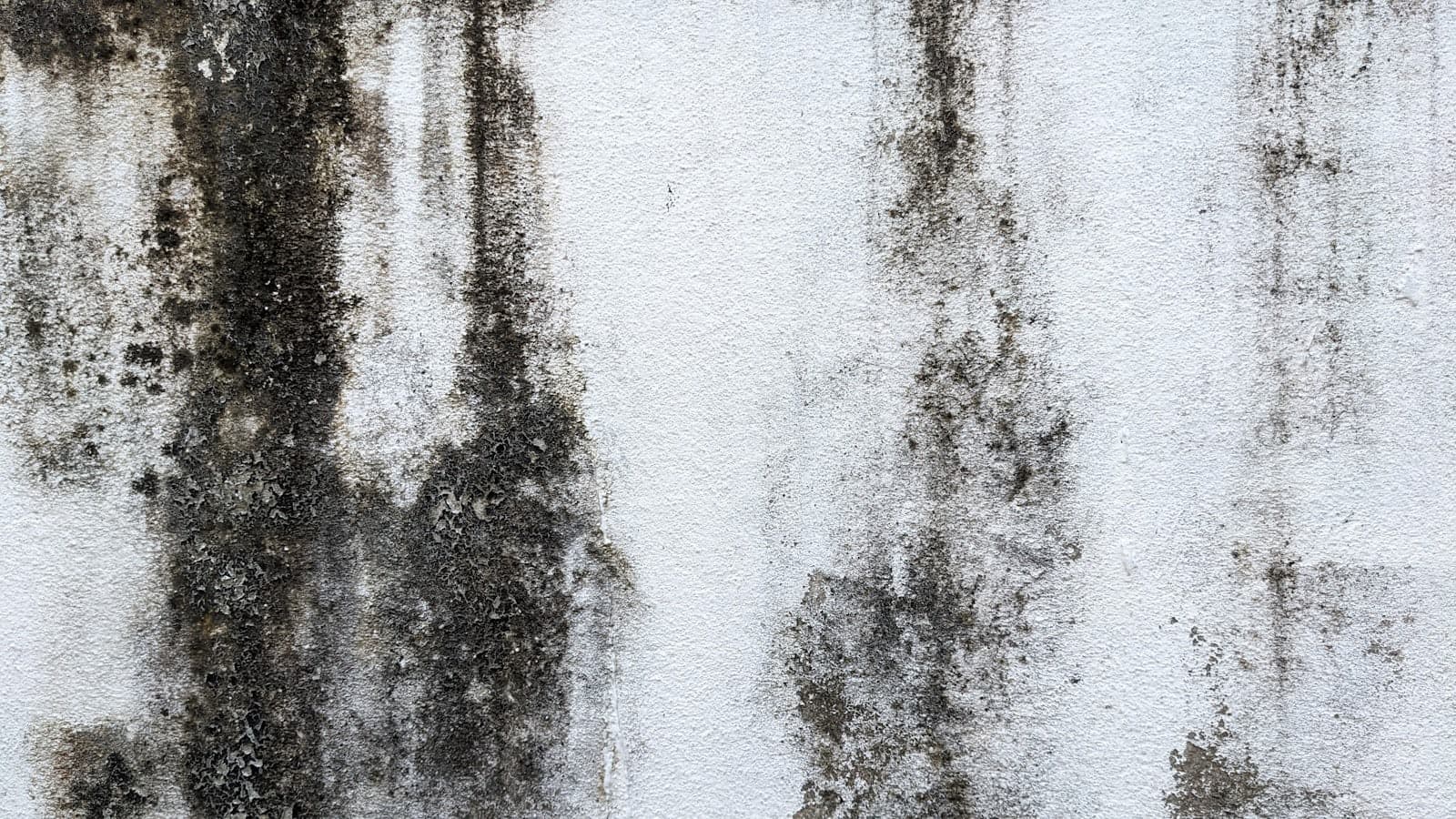
A crack in a wall, a damp stain on the ceiling, a mark slowly spreading: at what point does a defect fall under the ten-year warranty (garantie décennale)? This article is for you, the individual homeowner, to help you identify the defects that are genuinely covered and to react at the right moment.
The central criterion: severity and intended use
The décennale does not cover just any defect. Article 1792 of the Code civil (Civil Code) is crystal clear: only damage that:
- Compromises the solidity of the structure; or
- Renders it unfit for its intended purpose
is covered. When a defect appears, the whole challenge is to characterise it in legal terms. That is generally the role of an expert appointed by the insurer or by the court.
Cracks: what is covered by the décennale and what is not
Not all cracks are equally serious. Several categories are traditionally distinguished:
Microcracks (not covered by the décennale)
Very fine cracks, under 0.2 mm, often caused by shrinkage of the concrete or render in the first few months after construction. They are cosmetic and affect neither the solidity nor the intended use of the property. They fall under the defect-liability warranty (garantie de parfait achèvement) if reported within the first year.
Fine cracks (usually not covered by the décennale)
Between 0.2 mm and 2 mm, not going right through, with no change over time. They may be unsightly but generally do not trigger the décennale, unless they signal a deeper problem (settlement, foundation defect).
Structural cracks (covered by the décennale)
Over 2 mm, going right through, worsening over time, located on load-bearing walls or structural elements. They compromise the solidity of the structure and are typically décennal cases. They are often accompanied by:
- Detachment of the render
- Visible distortion of window or door frames
- Sagging of part of the floor or ceiling
- An audible cracking sound
Stair-step or zigzag cracks
Symptomatic of differential movement in the foundations (settlement, clay shrinkage and swelling, etc.). They are almost always classed as décennal when the house is less than 10 years old.
Water infiltration: the uninhabitability criterion
Infiltrations form the second major family of décennal claims. Here too, their severity is judged by their real impact on the use of the property.
Typically décennal cases
- A newly redone roof with a recurring leak in rainy weather
- A cellar rendered unusable by lateral infiltration despite drainage
- Chronic damp on a buried wall making a room unfit for occupation
- Infiltration through poorly fitted external joinery, creating structural damp
- A waterproofing failure of a roof terrace causing infiltration into the dwelling
- A flashing defect on a roof valley or an abutment, with repeated leaks
Generally non-décennal cases
- Condensation due to a lack of ventilation or to the occupant's behaviour
- Occasional damp marks linked to an isolated incident (a broken seal)
- Rising damp on an old building that pre-dates the works
- Infiltration caused by lack of maintenance (blocked gutter, joints not redone)
The decisive criterion is generally: does the defect prevent normal use of the dwelling? If yes, the décennale applies. If not, you are probably looking at another warranty or none at all.
Other common defects
A few cases that raise questions:
Tiling coming loose
Tiling that comes loose extensively across a whole floor — especially if linked to a defect in the substrate or the laying — may be classed as décennal because it makes the room unfit for use. A few tiles coming loose around the edges are more of a cosmetic matter.
Faulty heat pump or boiler
If the equipment is inseparable from the structure (built in, sealed), its failure may fall under the décennale when it deprives the dwelling of heating and makes it unfit to live in.
Thermal insulation defect
Insulation so defective that the dwelling is impossible to heat under normal conditions of use and occupancy may be classed as décennal. The case law is demanding: you must demonstrate genuine unfitness for the intended purpose.
Floor sagging
A load-bearing floor that visibly sags always falls under the décennale. A floating floor that creaks does not.
When and how to react?
Time works against you. The longer you wait, the harder it will be:
- To prove that the defect appeared within the 10 years
- To preserve evidence for the expert assessment
- To call on your damage-to-works policy (dommages-ouvrage), which requires a prompt declaration
The right reflexes in 5 steps
- Document: dated photos, measurements, a written note of when it appeared
- Identify the company responsible and keep the certificate, quotes and handover report
- Report the claim to your damage-to-works insurer (assurance dommages-ouvrage) (if you have one) within the deadlines set out in the contract
- Send a formal notice to the company by registered letter with acknowledgement of receipt
- Have the defect assessed by an independent expert if the situation escalates
The decisive role of the expert assessment
In the event of disagreement over how to characterise the defect, it is the expert assessment that decides. Several scenarios are possible:
- Amicable assessment: arranged by the insurers, with both parties present
- Judicial assessment: ordered by the interim relief judge, at your request
- Private assessment: at your own expense, to build a case
Always favour an adversarial (contradictoire) assessment where both sides are present. If necessary, get assistance from a lawyer or a policyholder's expert (expert d'assuré — not to be confused with the insurer's expert).
In summary
- A defect is décennal if it compromises the solidity or renders the structure unfit for its intended purpose
- Microcracks and occasional infiltrations are rarely décennal
- Cracks that go right through, that worsen over time, and chronic infiltrations almost always are
- Document everything: photos, measurements, dates
- At the slightest doubt, report it to your damage-to-works insurer and have it assessed
Need support?
Do you suspect a décennal defect in your home, or do you want to secure a renovation project? Our team of brokers helps you understand your rights and call on the right warranties. Request a personalised quote or get in touch with an adviser.


